01 Nov 2025
Chickpeas

Varieties and Physical Form
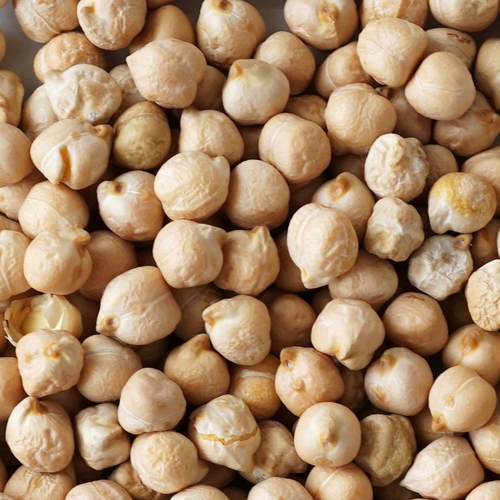
Two main commercial types exist:
Kabuli (Garbanzo): Characterized by large, round, cream-colored seeds with a thin coat. This type is popular for salads, canning, and making hummus.
Desi (Bengal Gram): Characterized by smaller, darker, and rougher seeds with a thick coat. When split and dehulled, it becomes Chana Dal, which is widely ground into chickpea flour (Besan).
Nutritional Powerhouse
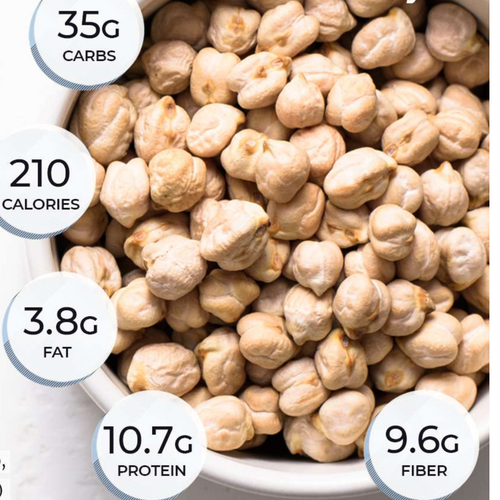
Chickpeas are a nutritional powerhouse, offering a superior balance of macronutrients compared to many cereals:
Protein & Fiber: They are an excellent source of plant-based protein (17–22% of dry weight) and boast a high fiber content (up to 12.5g per cup cooked), contributing significantly to prolonged satiety and weight management.
Micronutrients: Chickpeas are rich in essential minerals, including Iron, Zinc, Magnesium, and Folate. They also contain healthy unsaturated fatty acids (linoleic and oleic acids) and bioactive compounds like antioxidants and phytosterols.
Health Benefits and Usage
The combination of high protein, fiber, and low glycemic index (GI) makes chickpeas highly beneficial for health. Regular consumption is scientifically linked to:
Diabetes Management: Slow digestion and low GI help stabilize blood sugar levels.
Heart Health: Soluble fiber helps reduce LDL ("bad") cholesterol.
Gut Health: High fiber supports healthy bowel function and acts as a prebiotic.
Chickpeas are highly versatile, consumed whole in curries, ground into flour for pakoras and batters, or processed into modern foods like protein isolates and plant-based snacks.
Categories
- Pulses/ Grains / Cereals / Flours
- Pulses