Launching at Gulfood 2026, the inaugural Gulfood World Economy Summit will be the global command centre for food security, trade diplomacy, and economic resilience. Over four decisive days, it will convene ministers, policymakers, CEOs, global institutions, and industry visionaries to confront the forces reshaping how nations source, secure, and stabilise their food futures. With food systems now central to the UNFSS+4 and COP30 agendas, the Summit will tackle the urgent need for transparent, climate-smart, cyber-resilient value chains that can withstand volatility and deliver long-term security.

Explore Key Themes at the Conference
Hear from the Leaders Shaping National Strategy and Market Resilience
Workshop Overview
As AI, biotechnology, precision fermentation, and new generations of processed foods and ingredients reshape global food systems, leaders face the challenge of introducing unfamiliar technologies to stakeholders who are increasingly cautious, overwhelmed, or skeptical. This workshop offers a concise, accessible framework for understanding the psychological, cultural, and behavioral factors that influence public and market acceptance of innovation—while moving beyond traditional risk communication toward a more inspiring, future-focused approach to technology messaging. Through global examples and applied insights, the session equips participants with practical communication principles that reduce perceived risk, build trust, and accelerate the responsible adoption of future-forward food solutions.
Key Objectives
Agenda
You will gain a clear understanding of why technological innovation often outpaces public acceptance and what leaders can do to bridge that gap. The session will highlight the core psychological factors that shape risk perception, demonstrate how global innovators have successfully framed complex technologies, and provide a practical communication playbook that organizations can apply immediately. You will leave with a deeper understanding of how to reduce friction, improve trust, and bring new technologies to market with greater confidence and clarity.
Meet Your Expert Workshop Leader
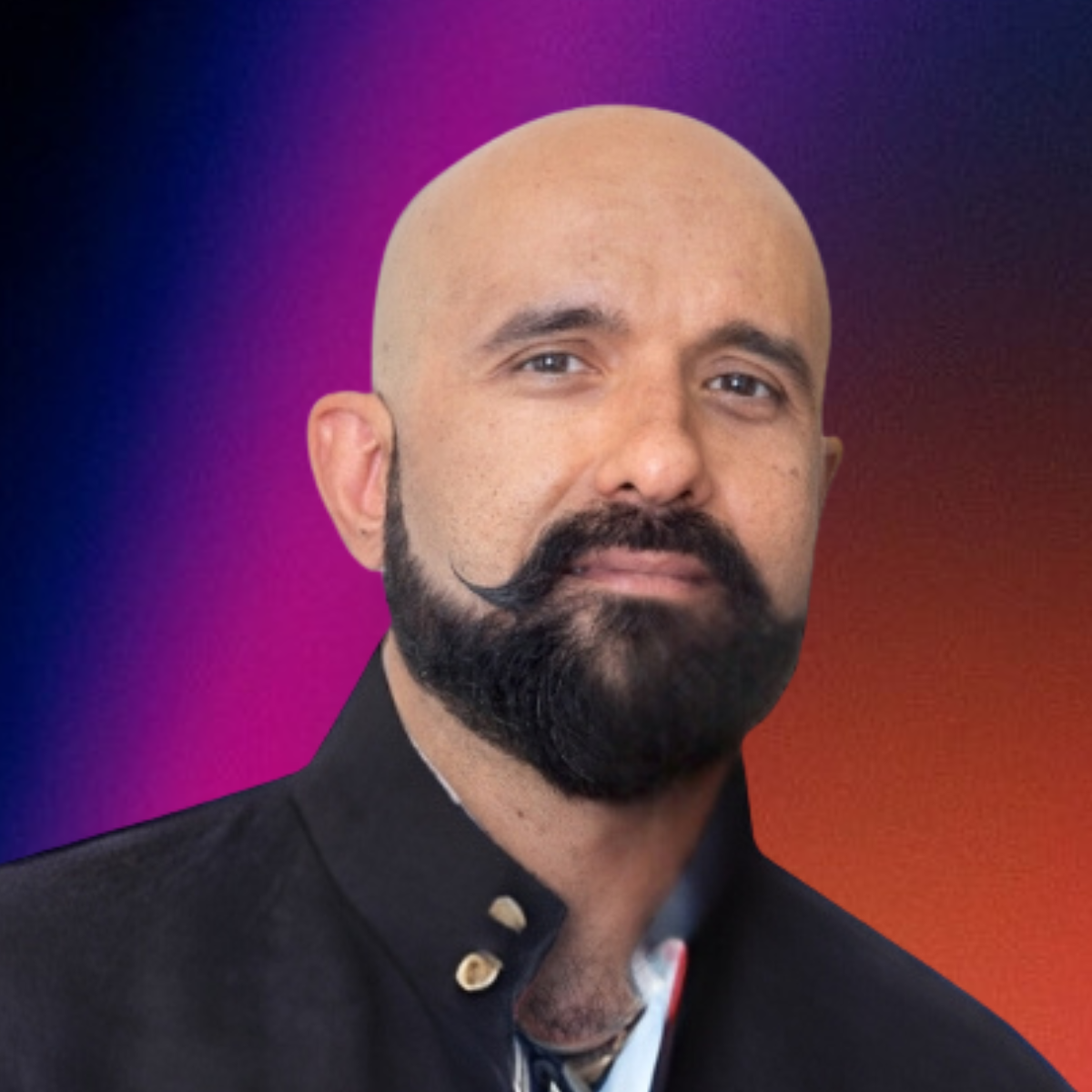
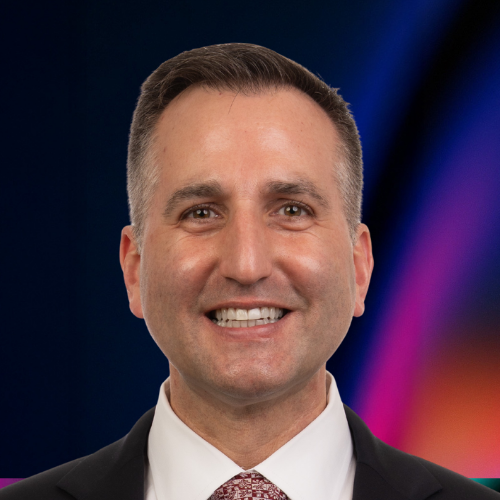
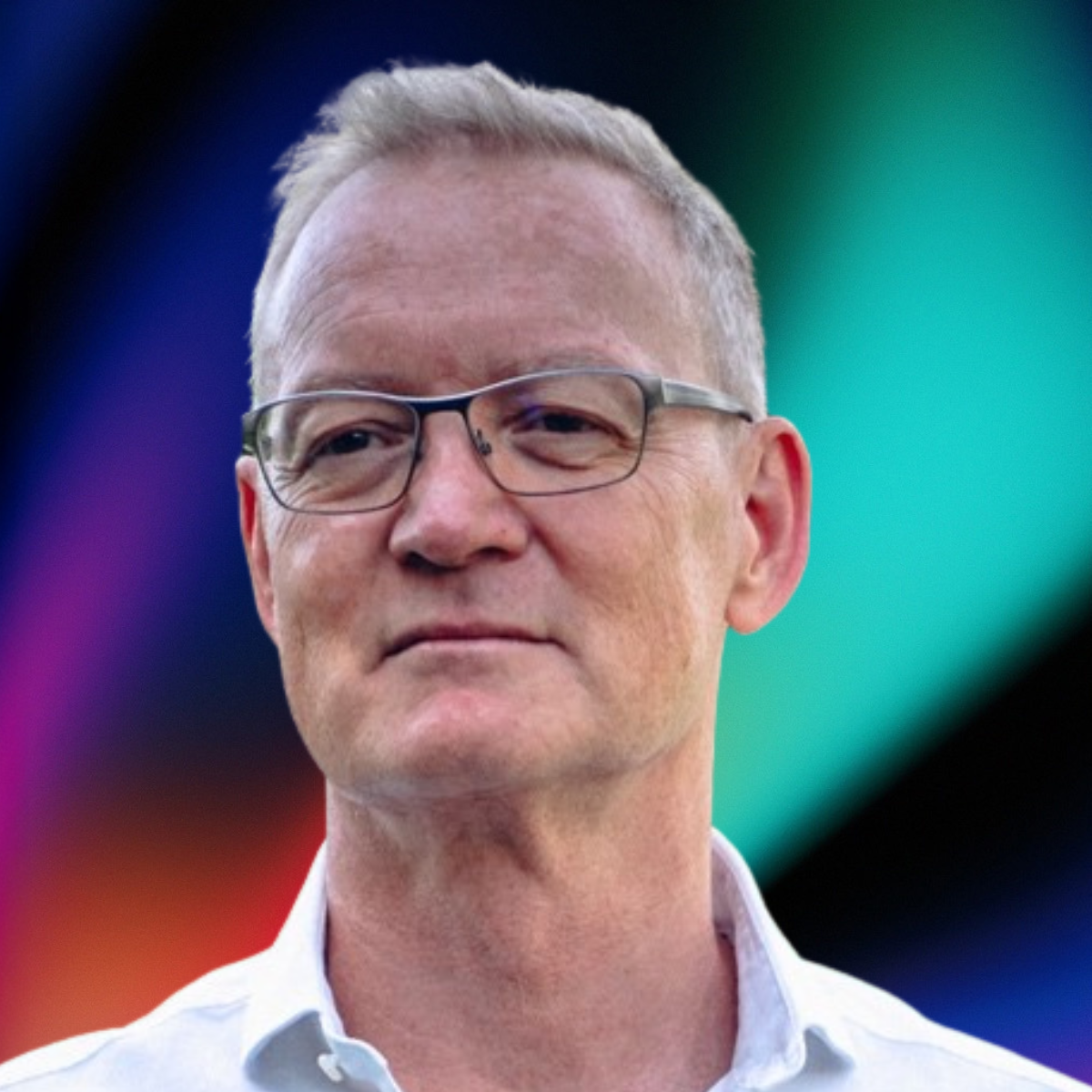
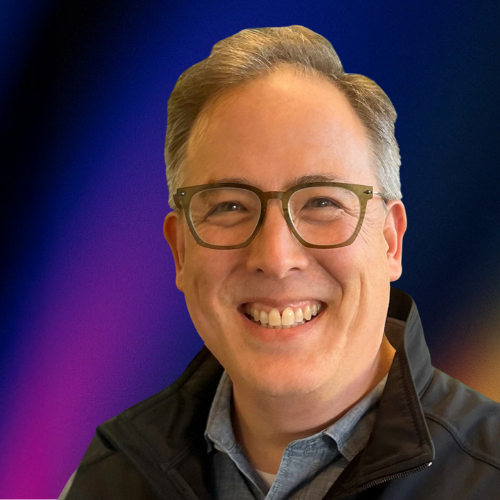
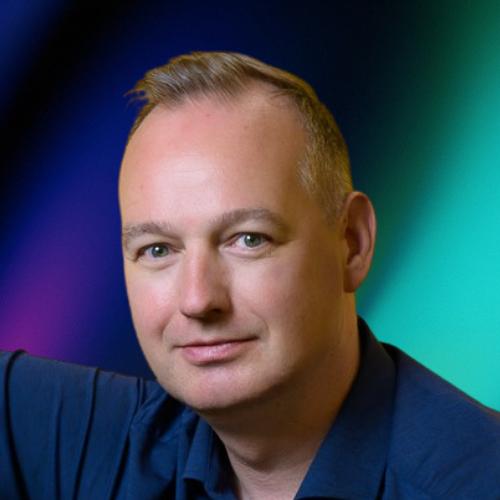
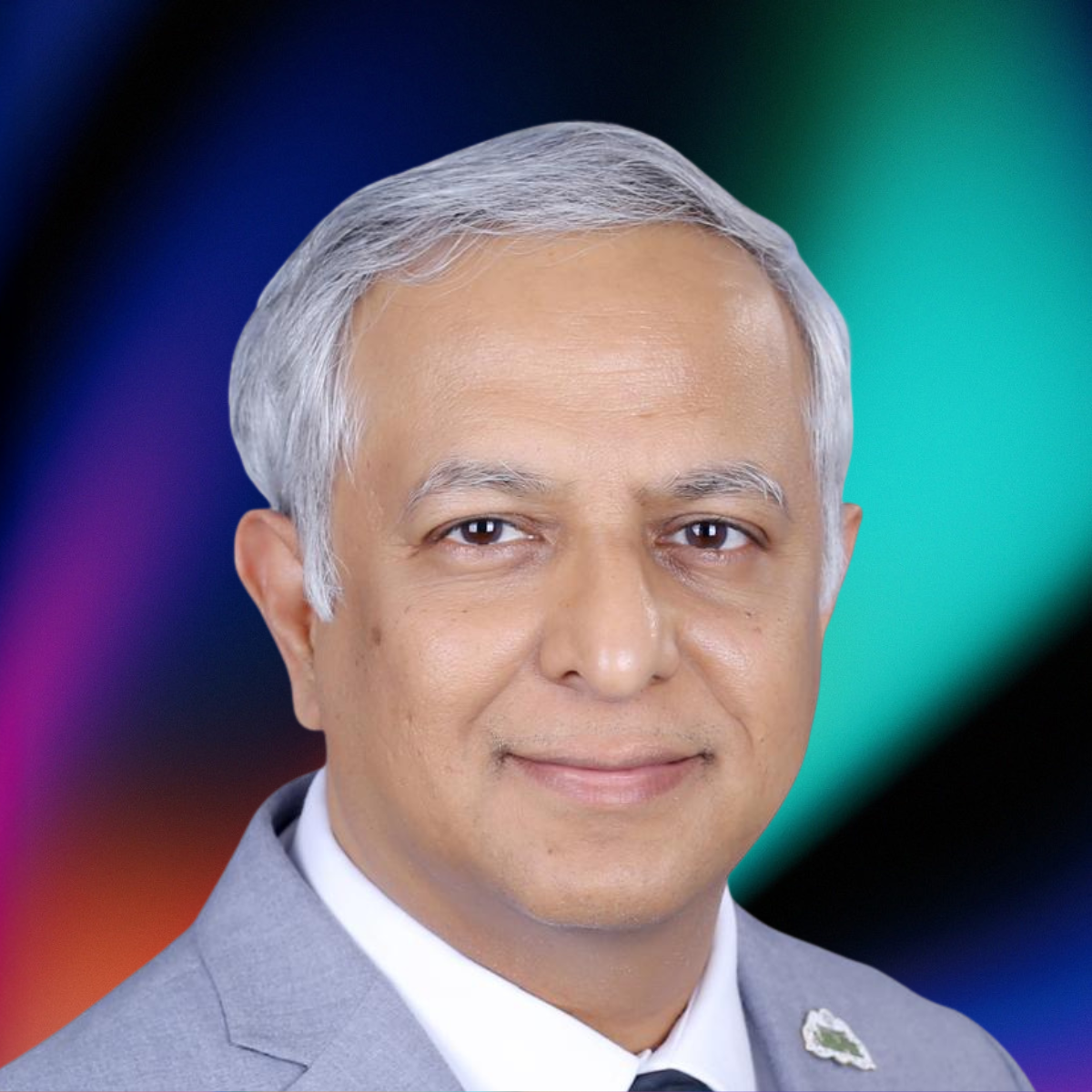
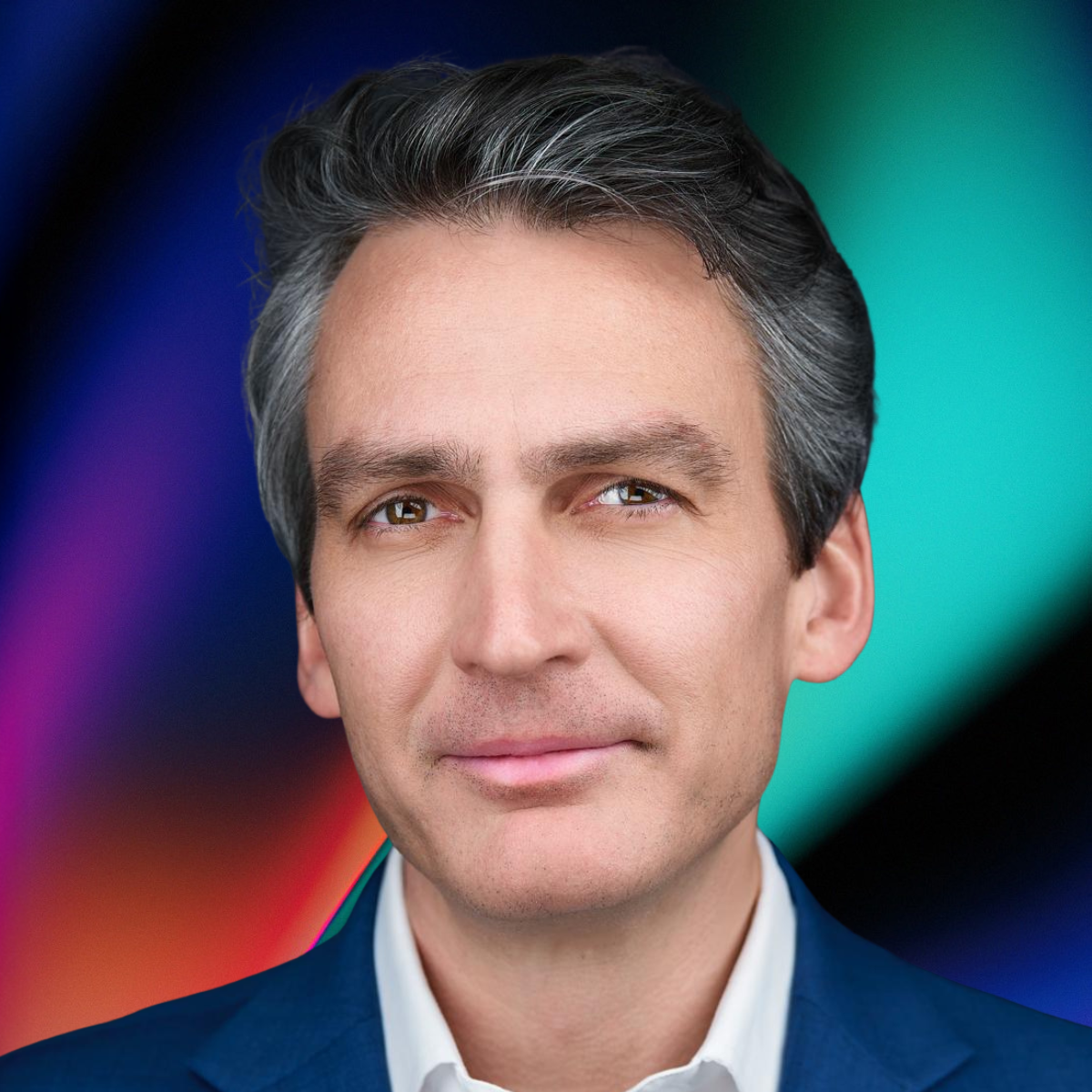
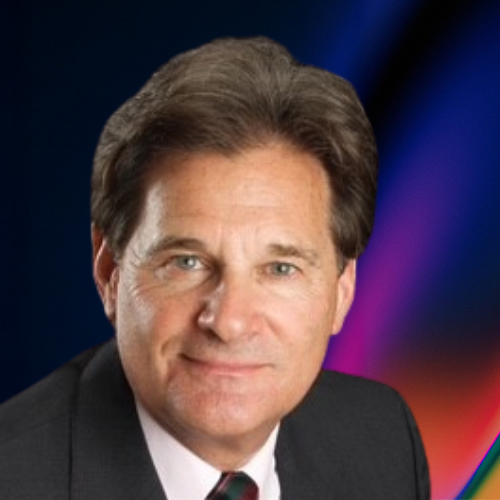
Jack Bobo is the Executive Director of the UCLA Rothman Family Institute for Food Studies and an honorary professor at the University of Nottingham. He previously served as Director of the Food Systems Institute at Nottingham and as Director of Global Food and Water Policy at The Nature Conservancy. Earlier, Jack was CEO of Futurity, a food foresight company, and spent over a decade as a senior advisor on global food policy at the U.S. Department of State. Named one of Scientific American’s 100 most influential people in biotechnology and recipient of the Borlaug CAST Communication Award, he is the author of Why Smart People Make Bad Food Choices, which explores how psychology and food environments shape consumer behavior. Jack has delivered more than 1,000 speeches in over 50 countries, inspiring audiences on food security, agricultural innovation, and the future of food. Through his leadership at UCLA, consistently ranked among the very best public universities in the United States, he is advancing Nudge the Planet, an initiative to reduce polarization and build trust in food and agriculture. Jack holds a J.D., an M.S. in Environmental Science, a B.S. in Biology, and a B.A. in Psychology and Chemistry, reflecting his interdisciplinary approach to reshaping food systems for a sustainable and nutritious future.
Workshop Overview
Food fraud in its various forms is on the rise and is predicted to increase significantly in the future and this could present a real threat to you and your business at any point in the food supply chain.
In this workshop you will:
Key Objectives
The aim of this workshop is to get participants have a thorough understanding of:
Agenda
This workshop would cover:
Who Will Benefit

This workshop is suitable for all those who are involved in technical and quality assurance of materials through the supply chain for food manufacturers, agents & brokers, importers and exporters, packaging manufacturers and retailers.
Meet Your Expert Workshop Leader

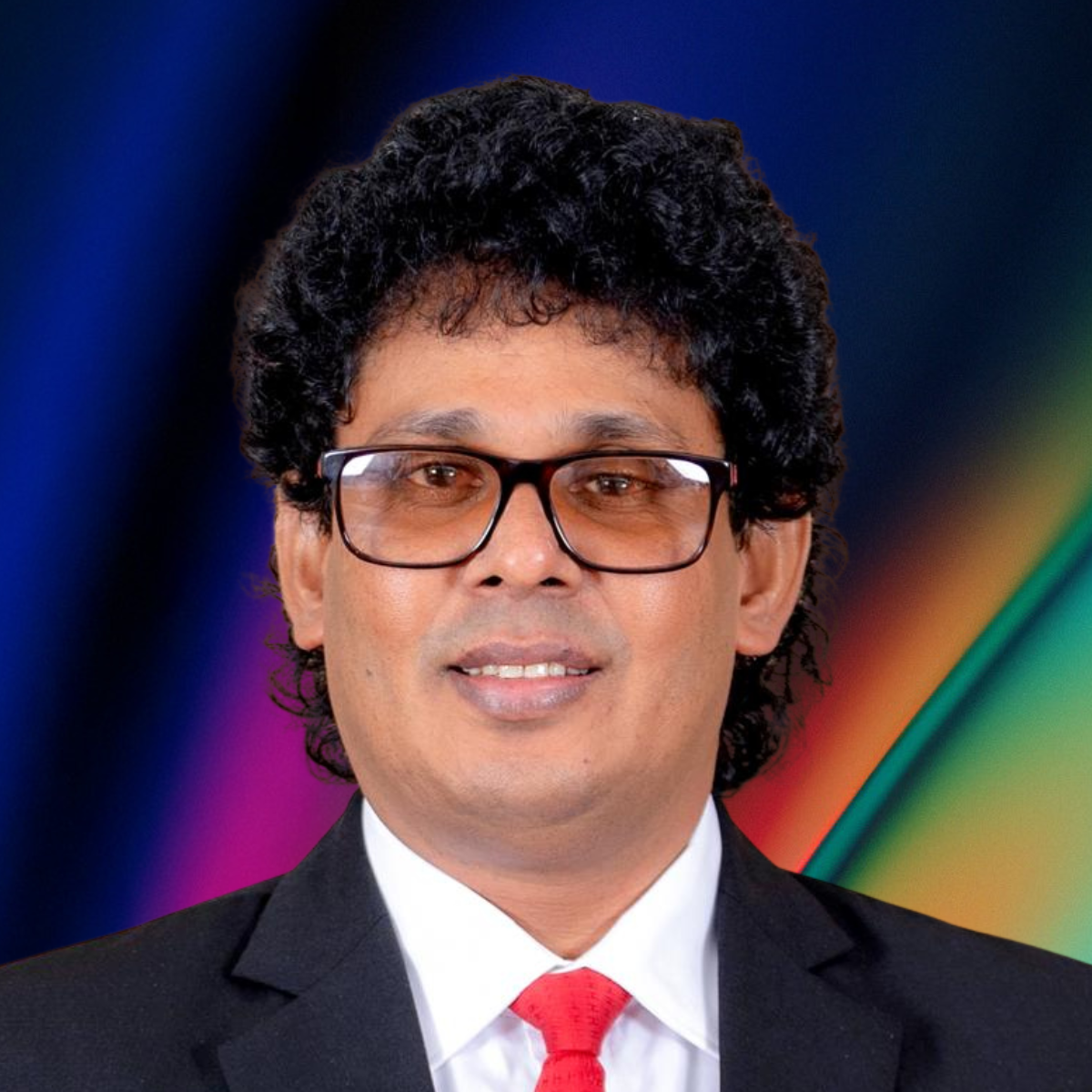
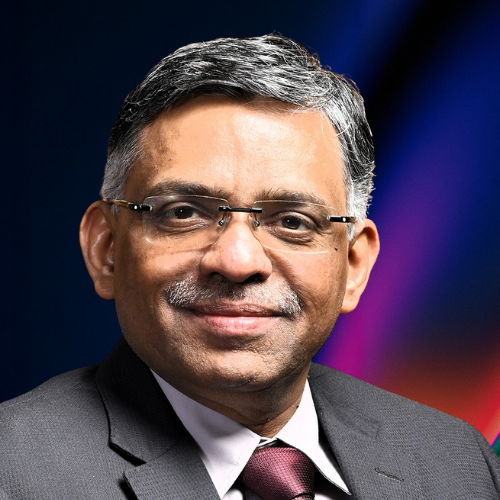
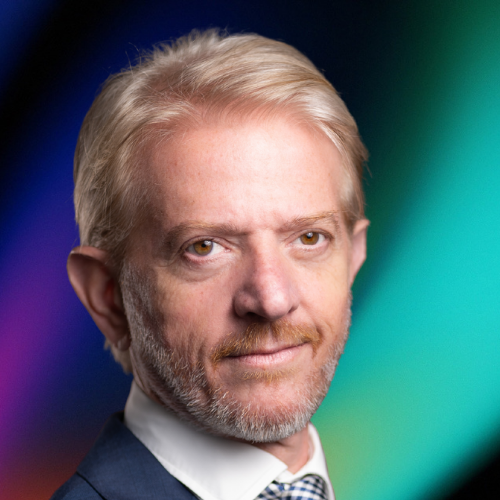
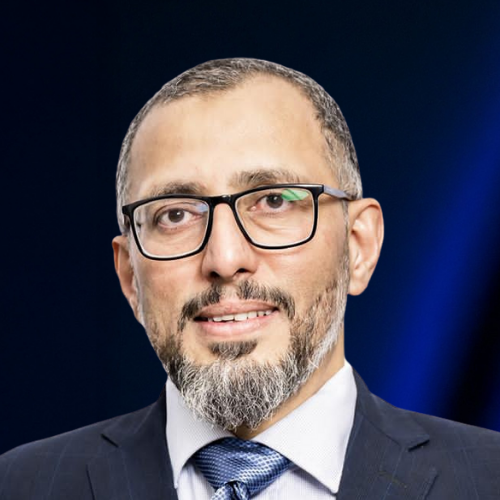
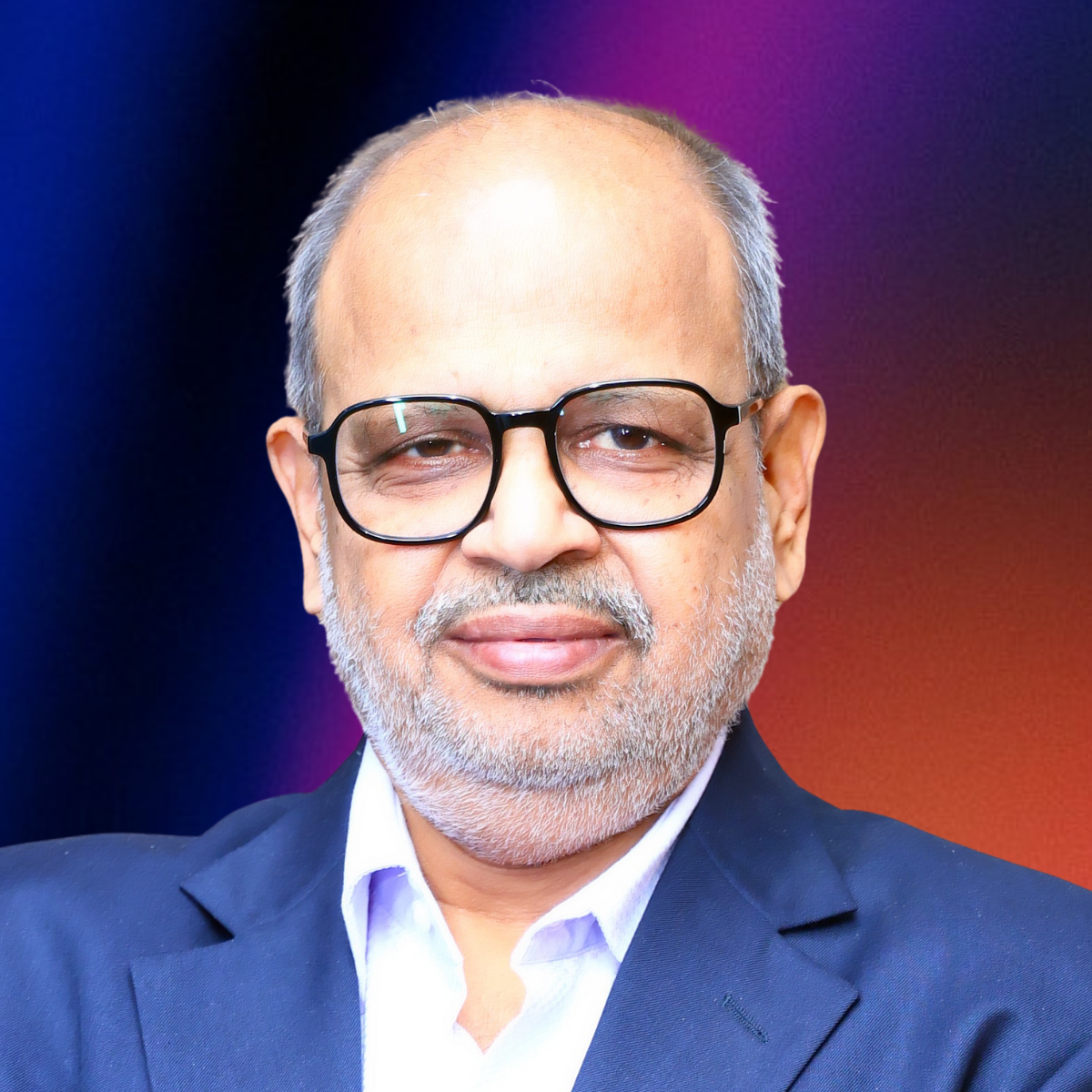
Russell Parry founded Advanced Food Safety Limited in 1995, which is one of the most respected food safety consultancy & training companies in the UK. He is a Fellow of the Royal Society of Public Health, and he has won many National awards over the years for his training, exporting and entrepreneurship, including Entrepreneur of the Year and Best Trainer of the Year.
Advanced Food Safety Limited is a multi-award-winning company including Exporter of the Year, Food Northwest Award for International Trade, Best Training Company of the Year and SME of the Year. Russell is the author of many food safety & HACCP textbooks & courses and has appeared on several TV & radio programmes as a food safety expert. Russell developed the brand leading ALLSAFE eLearning and distance Learning food safety training courses and downloads for BRCGS and GFSI Standards.
After 30 years in business Russell is still providing consultancy daily to a wide range of food manufacturers, food packaging manufacturers, storage & distribution companies and agents & brokers developing systems for them to meet and to maintain the requirements of the BRCGS Standards and other GFSI standards. He also provides an invaluable internal auditing service to maintain systems.
Working every day in industry gives Russell a genuine insight into the difficulties facing the food industry and this provides the basis of Russell’s practical support solutions for his clients.
Key Objectives
The aim of this workshop is to help participants have a thorough understanding of how to:
Agenda
The workshop will cover:
Who Will Benefit
The workshop is valuable for agriculture and food industry participants. AgTech & FoodTech company executives and investors will find the session beneficial at it will provide key insight on how to achieve a successful exit.
Meet Your Expert Workshop Leader
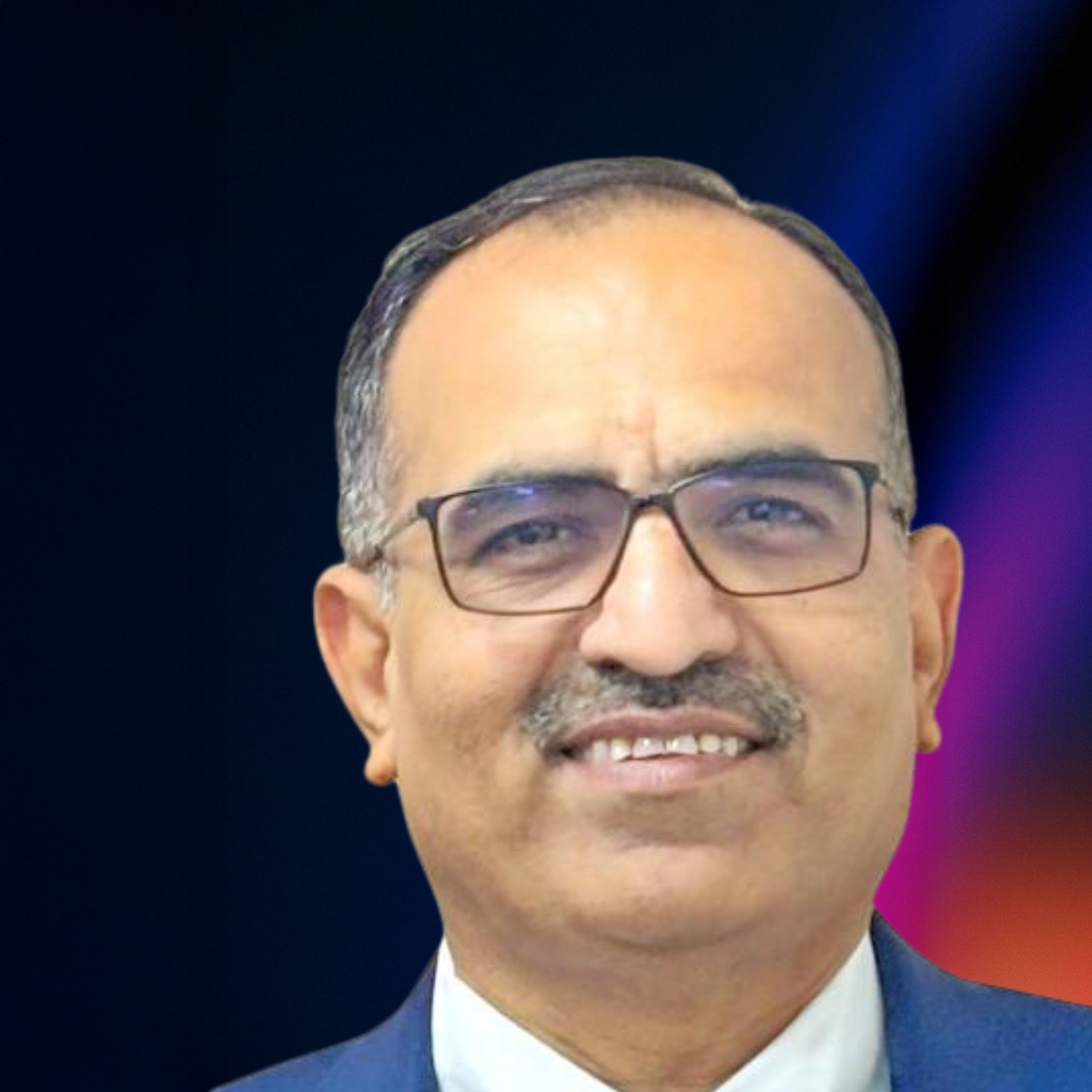
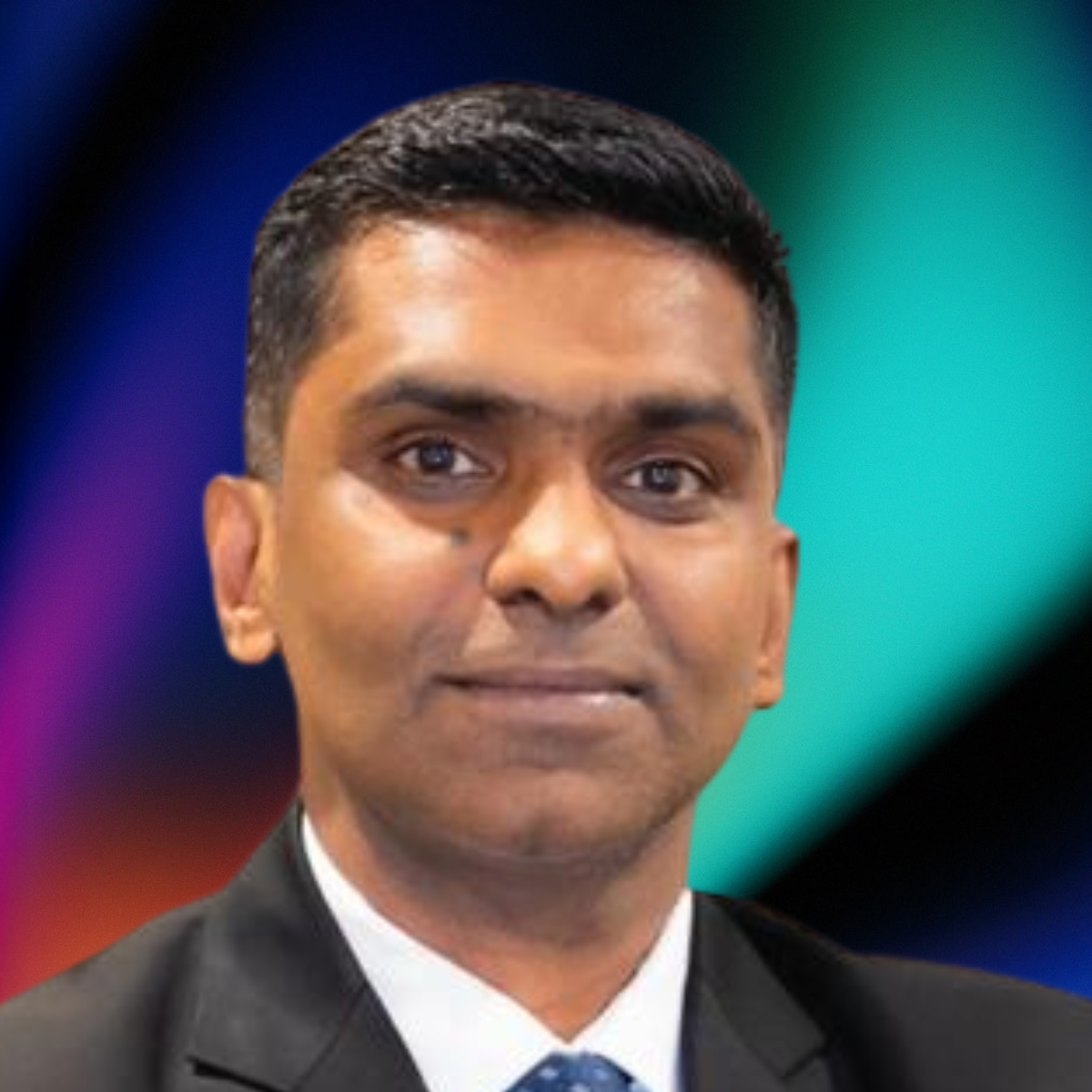
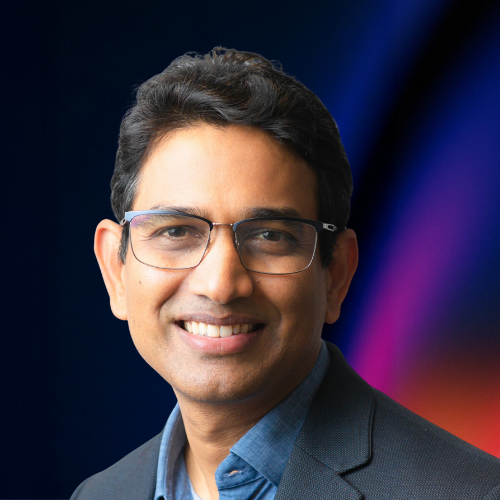
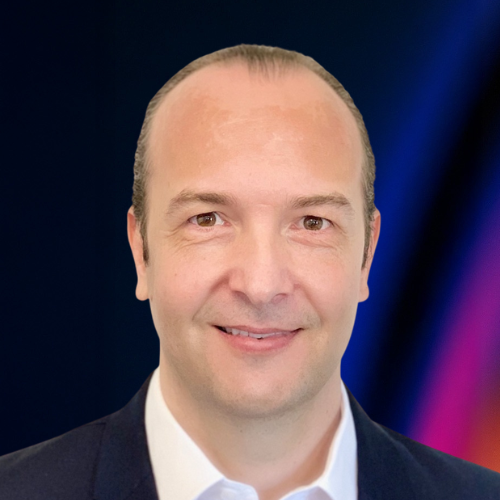
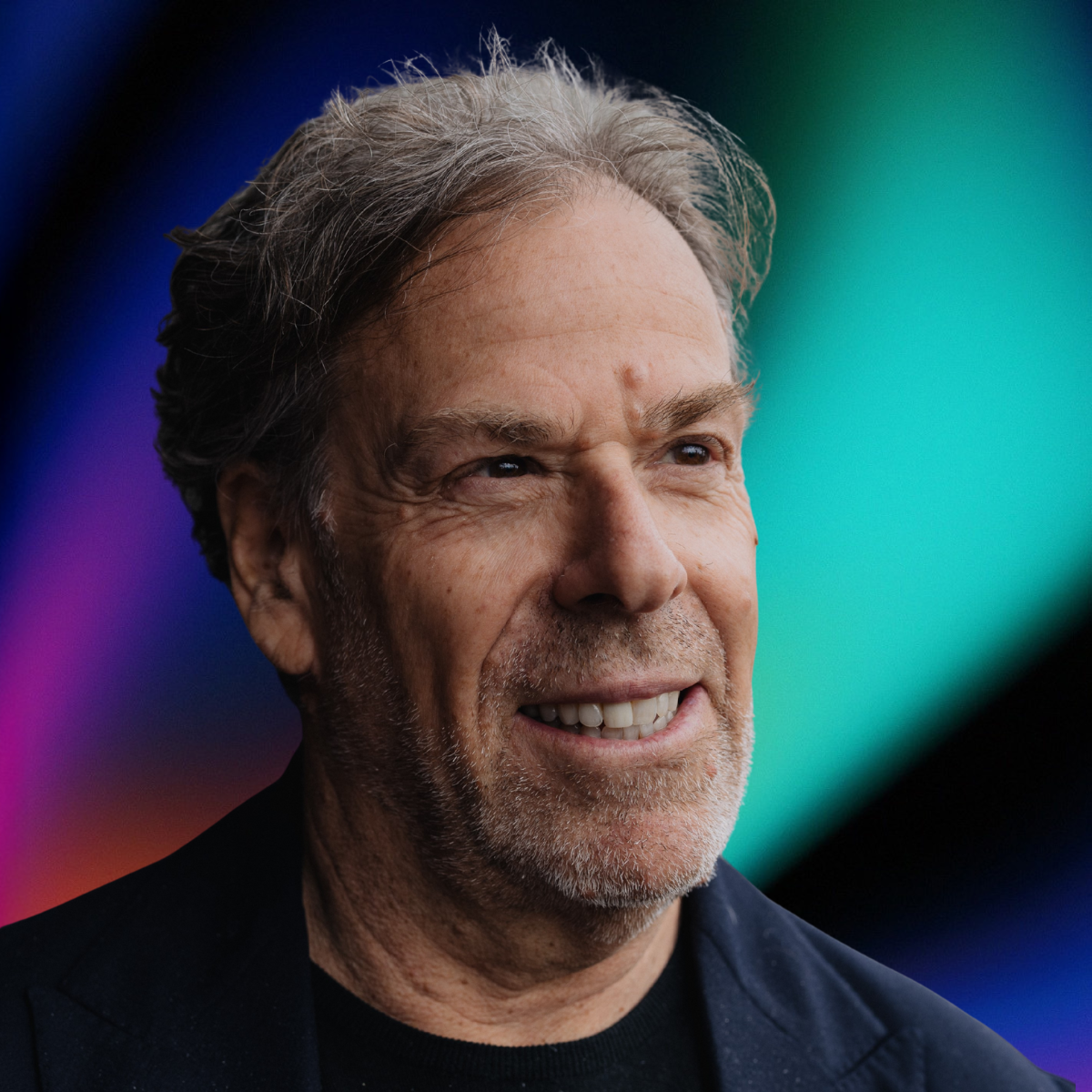
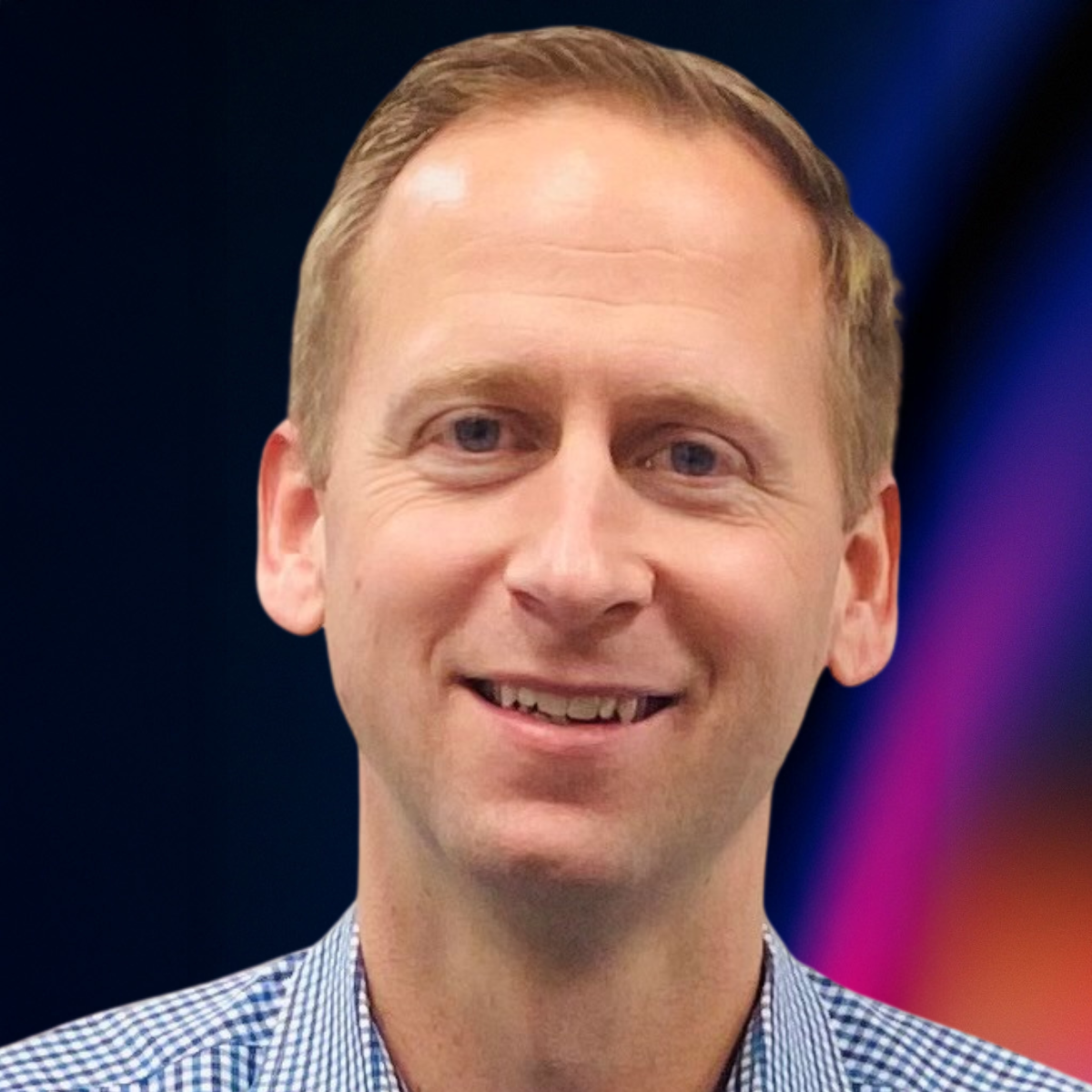
Adam Bergman is a Managing Director at EcoTech Capital where he works at the intersection of technology innovation and climate change. Adam is a sustainability executive leader with almost 30 years’ investment banking experience raising capital and executing M&A transactions. He also provides strategic advice and financial guidance to senior executives and boards on capital raising, growth strategies, M&A, and partnerships. As one of the first investment bankers to focus exclusively on the CleanTech sector, starting in 2005, Adam is recognized as a leading subject matter expert and is a frequent speaker at industry events and publisher of articles on sustainability.
Adam has built industry leading AgTech investment banking practices at Citi and Wells Fargo by creating a broad ecosystem to help drive adoption of technology and innovation throughout the food & ag value chain. Adam established the AgTech cohort for Wells Fargo’s innovation incubator (IN2) at the Donald Danforth Plant Science Center in St. Louis, Missouri, in 2018. He is a technology advisor to Western Growers Association, which represents local and regional family farmers who grow over half the nation's fresh fruits, vegetables and tree nuts. Adam also is a technology advisor for SeaAhead, a bluetech startup platform in Boston, Massachusetts, whose mission is to support new, innovative ventures, with a focus on sustainability and the oceans.
Adam has a B.A. in Political Science from Johns Hopkins University, where he was inducted into Phi Beta Kappa. Additionally, he holds an M.A. in International Development from the International University of Japan.
Workshop Overview
Climate regulations are often seen as threats. This workshop flips the script by treating regulation as a competitive advantage. We will design an “Enabling Market Agreement” where clear government rules and long-term private contracts provide the certainty farmers need to invest in generational resilience. The shift is from compliance to strategic alignment, positioning farmers as the starting point from which resilience and global food security scale across the entire value chain.
Key Objectives
You will develop an Enabling Market Agreement, clarifying the key public and private enablers required to align political cycles with long-term biological timelines across the value chain.
Agenda
The Market Access Deal: From Compliance to Trusted Market Access
Trade requirements and sustainability standards are increasingly shaping market access. While compliance entails costs, lack of access represents a far greater risk for farmers and supply chains. This deal focuses on how verified performance and traceability can be translated into trusted and simplified market access, reducing friction and providing greater certainty for long-term investment.
Key question: How can compliance be recognized as a basis for trusted market access, rather than repeated controls and transaction costs across the value chain?
The Public Deal
Aligning Public Action with Intergenerational Timelines
Political decision cycles are short, while agricultural productivity, soil recovery and resilience depend on long-term biological processes. This misalignment limits farmers’ ability to plan and invest for generational resilience.
This deal explores how public policy conditions, incentives and regulatory approaches can be designed to provide long-term certainty, enabling investment despite volatility and short-term pressures.
Key question: What public policy conditions are required to align political decision cycles with long-term biological and investment timelines?
The Security Deal
From Spot Transactions to Strategic Partnerships
In an increasingly volatile global context, supply security has become a strategic priority. Transactional, spot-based relationships often fail under stress, exposing both producers and buyers to disruption.
This deal examines how commercial agreements can evolve toward long-term partnerships, aligning incentives and sharing risk to strengthen supply resilience.
Key question: How can commercial agreements evolve to support supply security while remaining viable for both farmers and buyers?
Expected Outcome
A consolidated outline of an Enabling Market Agreement, identifying the critical public and private enablers required to align political cycles with long-term biological timelines, in a way that supports resilience and the needs of the entire value chain.
Meet Your Expert Workshop Leader
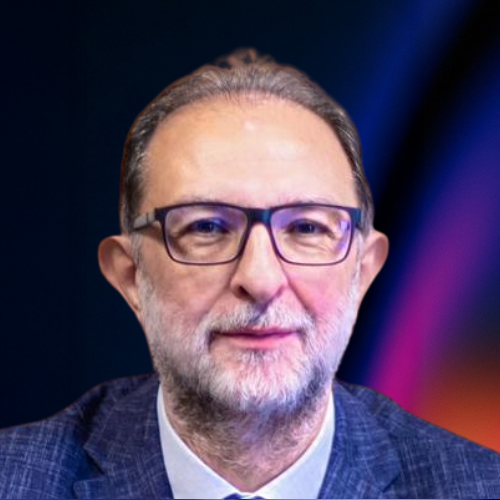
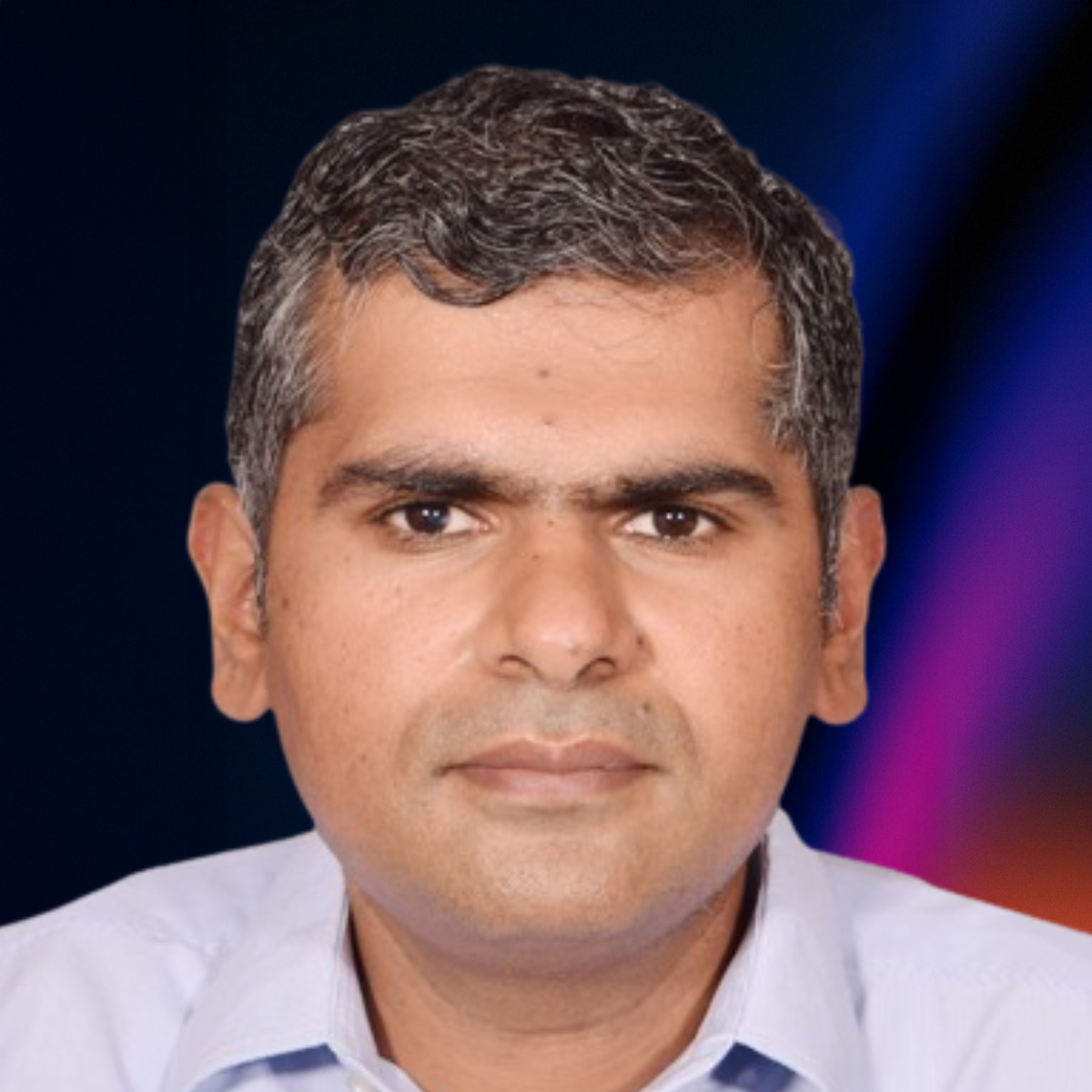
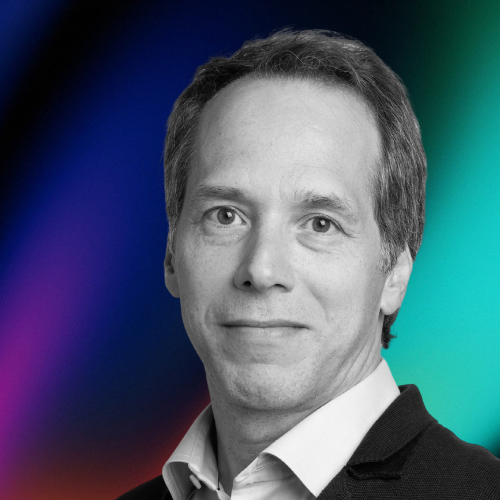
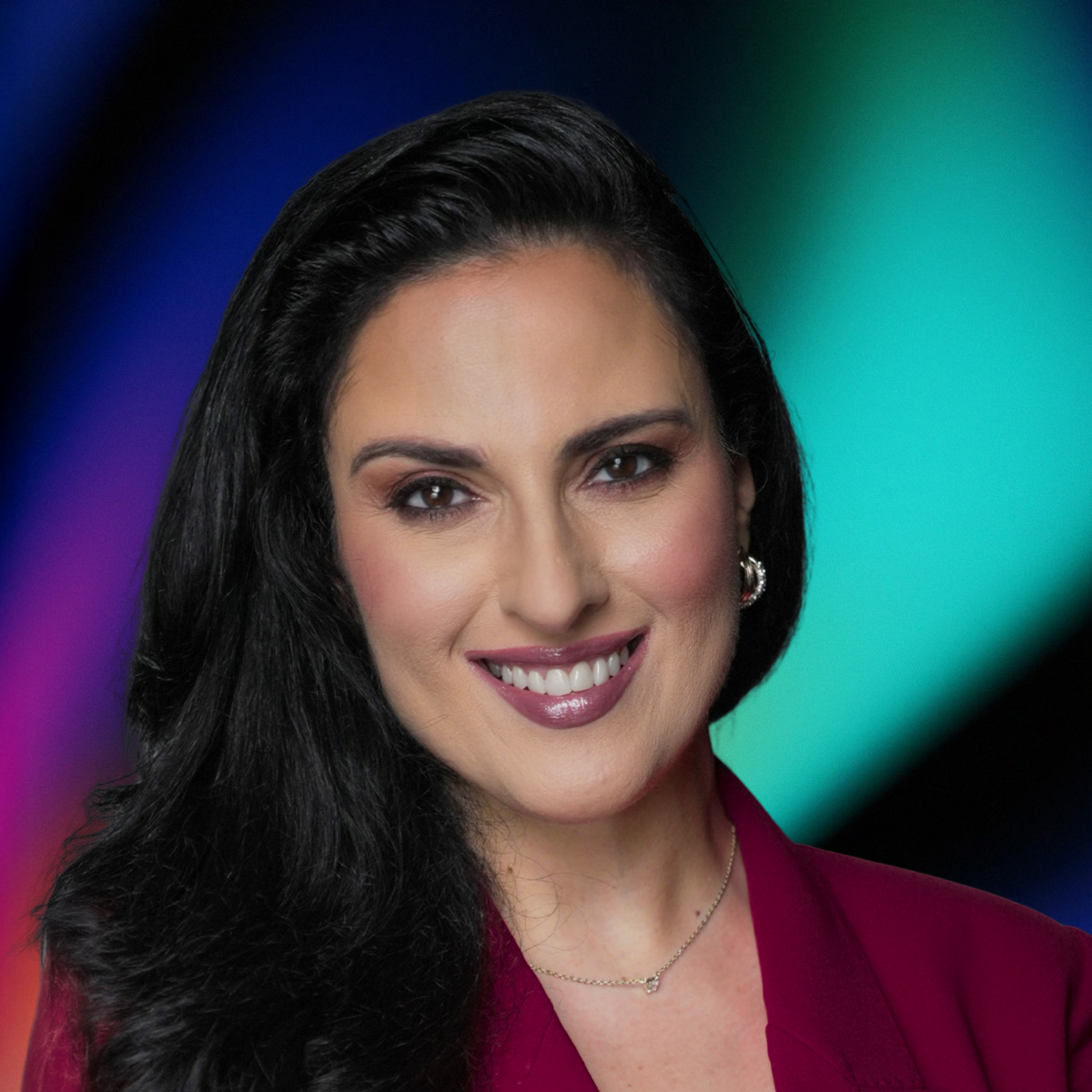
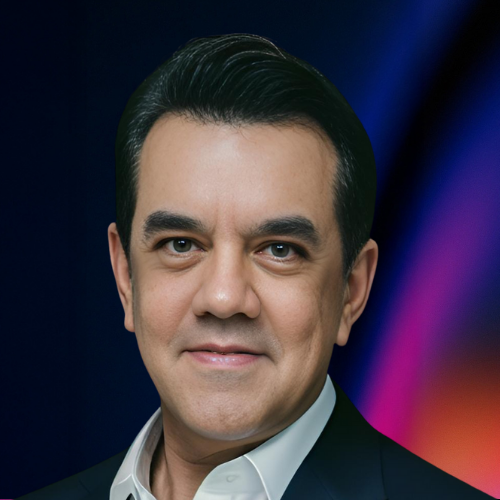
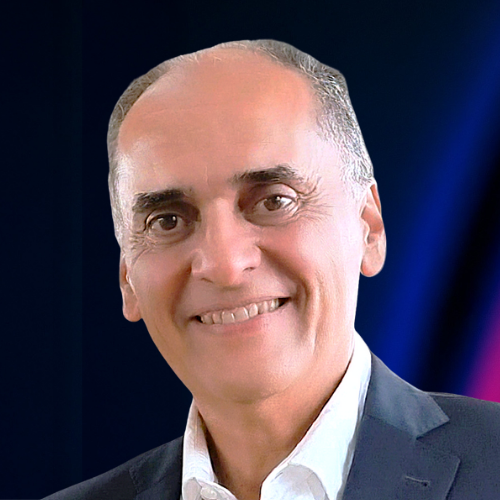
Rodrigo Ramírez is Founder & CEO of Numen Bio, a regenerative agriculture and ecosystem services company operating across Latin America, Africa and Europe, focused on improving farmer profitability through market-based sustainability solutions.
With more than 30 years of experience as an entrepreneur, consultant, board member and corporate executive, he works at the intersection of farmers, markets and public institutions, designing frameworks where regeneration, traceability and ecosystem services are integrated into competitive market strategies. His approach centers on aligning market access requirements, long-term commercial agreements and public incentives so that sustainability delivers predictable, additional value for farmers.
He served as a Board Member of El Tejar, contributing to one of Argentina’s first financially scaled agricultural production models, implemented across 1 Mha, with 90% under leased land.
Rodrigo also played a key role in transforming a joint venture between Argentina’s two largest media groups into a leading national and regional exhibition platform, including the country’s flagship open-air agri-industrial and food industry fairs.
His professional path evolved from local roles to regional leadership positions, with strong involvement in institutional representation and government engagement, bringing a systemic view of agrifood resilience based on aligned incentives across the value chain.